



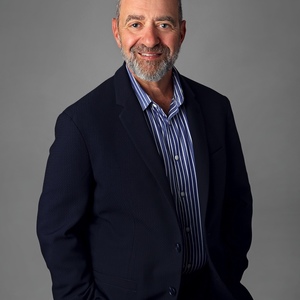
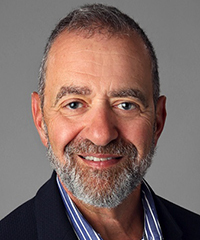
Brian L. Cutler
- Media Contact
- SPN Mentor
Professor Cutler's experience includes more than 30 years of faculty experience and 19 years of academic administration at two US and one Canadian university. Trained in social and forensic psychology, his media psychology-related research has examined pretrial publicity, recorded criminal interrogations, and person recognition from surveillance photos and videos.
Professor Cutler has been the author or co-author of research grants, books, book chapters, peer-reviewed articles, and articles in professional associations, and he regularly serves as a consultant and expert witness in cases involving eyewitness identification and coercive interrogation. At his previous universities, he taught a wide range of psychology courses at the undergraduate and graduate level and supervised numerous master's theses and doctoral dissertations.
Primary Interests:
- Applied Social Psychology
- Attitudes and Beliefs
- Group Processes
- Intergroup Relations
- Internet and Virtual Psychology
- Judgment and Decision Making
- Law and Public Policy
- Organizational Behavior
- Person Perception
- Personality, Individual Differences
- Research Methods, Assessment
- Social Cognition
Note from the Network: The holder of this profile has certified having all necessary rights, licenses, and authorization to post the files listed below. Visitors are welcome to copy or use any files for noncommercial or journalistic purposes provided they credit the profile holder and cite this page as the source.
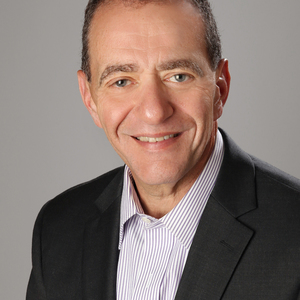
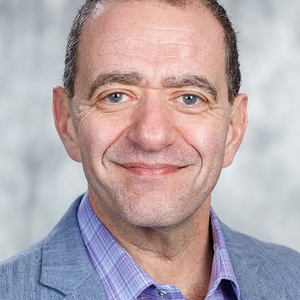
Image Gallery
Video Gallery

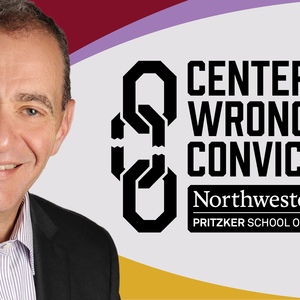
Brian Cutler Describes His Background and Research
Description
Professor Brian Cutler's background includes more than 30 years of faculty experience and 19 years of academic administration at two U.S. and one Canadian university. In this video, he briefly describes his media psychology-related research on recorded criminal interrogations and risk factors for false confessions.
Select video to watch
-
3:01 Brian Cutler Describes His Background and Research
Length: 3:01
Professor Brian Cutler's background includes more than 30 years of faculty experience and 19 years of academic administration at two U.S. and one Canadian university. In this video, he briefly describes his media psychology-related research on recorded criminal interrogations and risk factors for false confessions.
-
8:04 Master's in Media Psychology: A Program Overview
Length: 8:04
The world needs professionals who understand how media influence human behavior and how that can be used to influence content creation, technology design, consumption, and research. Through a master's degree in media psychology, you can become a trained expert and advise others on media that promote positive social change.
-
1:13:31 Understanding False Confessions
Length: 1:13:31
Books:
- Cutler, B. L. (2013). Reform of eyewitness identification procedures. Washington DC: American Psychological Association Press.
- Cutler, B. L. (2011). Conviction of the innocent: Lessons from psychological research. Washington DC: American Psychological Association Press.
- Cutler, B. L. (Ed.). (2009). Expert testimony on the psychology of eyewitness identification. New York: Oxford University Press. [American Psychology-Law Society Series]
- Cutler, B. L. (Ed.). (2008). Encyclopedia of psychology and law (Volumes I and II). Thousand Oaks, CA: Sage Publications.
- Cutler, B. L., & Kovera, M. B. (2010). Evaluating eyewitness identification. New York: Oxford University Press (Oxford Forensic Best Practices Series).
- Cutler, B. L., & Penrod, S. D. (1995). Mistaken identification: Eyewitnesses, psychology and the law. New York: Cambridge University Press.
- Cutler, B. L., & Zapf, P. A. (Eds.). (2014). The APA Handbook of Forensic Psychology. Washington DC: American Psychological Association Press.
- Kovera, M. B., & Cutler, B. L. (2012). Jury selection. New York: Oxford University Press.
Journal Articles:
- Cutler, B. L. (2017). Sources of contamination in lineup identifications. The Champion, May, p. 16-22.
- Cutler, B. L., Findley, K. A., & Moore, T. E. (2014). Interrogations and false confessions: A psychological perspective. Canadian Criminal Law Review, 18, 153-170.
- Cutler, B. L., & Kovera, M. B. (2011). Expert psychological testimony. Current Directions in Psychological Science, 20, 53-57.
- Cutler, B. L., & Leo, R. A. (2016). Analyzing videotaped interrogations and confessions. The Champion, December, p. 40-46.
- Cutler, B. L., Loney, D., & Findley, K. A. (2014). Expert testimony on interrogations and false confessions. University of Missouri Kansas City Law Review, 82, 589-622.
- Elek, J. K., Rottman, D. B., & Cutler, B. L. (2014). Judicial performance evaluation in the states: A reexamination. Judicature, 98, 12-19.
- Elek, J. K., Rottman, D. B., & Cutler, B. L. (2012). State judicial performance evaluation programs: Steps to improve survey process and measurement. Judicature, 96, 65-75.
- Kaplan, J., & Cutler, B. L. (2022). Co-occurrences among interrogation tactics in actual criminal investigations. Psychology, Crime & Law, 28(1), 1-19.
- Kaplan, J., Cutler, B. L., Leach, A. M., & Eastwood, J. (2023). Development of the Interview and Interrogation Assessment Instrument. Psychology, Public Policy, and Law, 29, 46-61.
- Leach, A. L., Woolridge, L. R., Cutler, B. L., Neuschatz, J. S., & Jenkins, B. D. (2021). COVID-19 and the courtroom: How social and cognitive psychological processes might affect trials during a pandemic. Psychology, Crime & Law, 28(8), 731-762.
- Leo, R. A., & Cutler, B. L. (2016). False confessions in the 21st century. The Champion, May, p. 46-55.
- Loney, D. M., & Cutler, B. L. (2016). Coercive interrogation of eyewitnesses can produce false accusations. Journal of Police and Criminal Psychology, 31, 29-36.
- Moore, T. E., Cutler, B. L., & Shulman, D. (2014). Shaping eyewitness and alibi testimony with coercive interview practices. The Champion, October, p. 34-42.
- Smith, A. M., Cutler, B. L., & Leach, A. M. (2013). Facilitating accuracy in showup identification procedures: The effects of the presence of stolen property. Applied Cognitive Psychology, 27, 216-221.
Courses Taught:
- Forensic Psychology
- Introduction to Psychology
- Psychology of Wrongful Conviction
- Psychometrics
- Social Psychology
- Writing for the Social Sciences
Brian L. Cutler
17307 E Baca Drive
Fountain Hills, Arizona 85268
United States of America
- Mobile: (860) 333-7980
- Skype Name: brianlcutler
